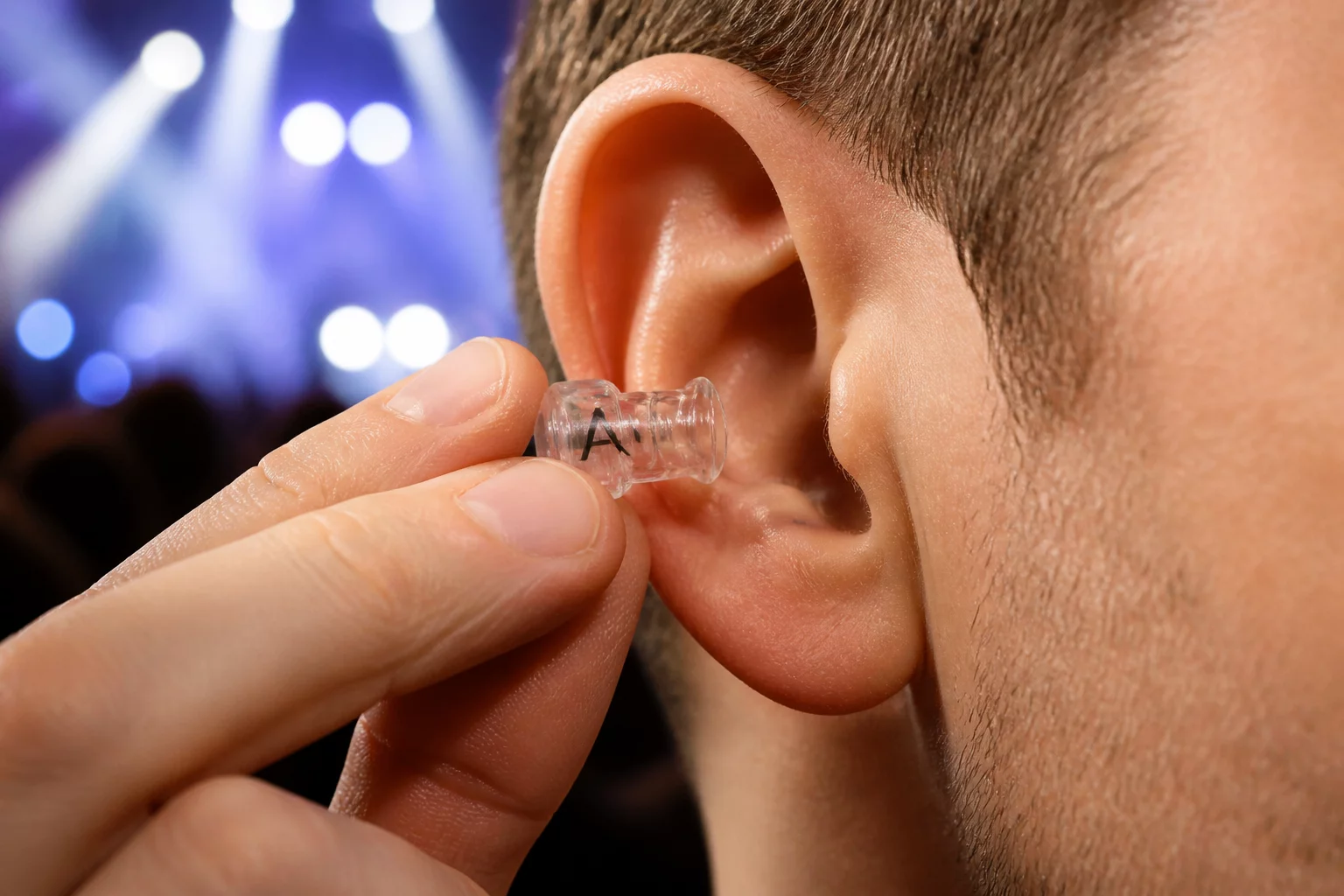
The Physics of Stage Sound and Ear Fatigue
Festival mainstages routinely pump out sound levels ranging from 100 to 115 decibels. At those intensities, unprotected ears reach maximum safe daily noise exposure within less than fifteen minutes.
When acoustic energy floods the ear canal at excessive pressure, the microscopic hair cells within the cochlea experience severe mechanical stress. Traditional industrial foam plugs block sound by sealing the canal with dense material, which absorbs high frequencies much faster than low frequencies. The result is muffled vocals, boomy bass, and a detached listening experience that tempts attendees to pull their plugs out.
High-fidelity earplugs solve this acoustical problem by incorporating tuned resonators and acoustic mesh membranes. Rather than suffocating the acoustic signal, they mimic the natural frequency curve of the human ear canal at a lowered decibel threshold. You hear every synth drop and crisp vocal articulation precisely as the audio engineer intended.
Acoustic Attenuation vs. Muffled Isolation
High-fidelity filters lower sound pressure evenly across 20Hz to 20,000Hz by roughly 16 to 21 decibels. This keeps conversation intelligible and stage audio vibrant while bringing sound levels down to safe exposure zones.
Who Needs High-Fidelity Hearing Protection Most
Hearing damage is irreversible because auditory hair cells do not regenerate once sheared or broken. Investing in proper acoustic protection benefits several core festival communities:
- Front-Row Enthusiasts: Anyone standing within thirty feet of subwoofers and line-array speaker stacks where decibels easily spike above 110 dB.
- Multi-Day Campers: Dancers attending three- or four-day open-air weekenders where continuous noise exposure creates cumulative ear fatigue.
- Indoor Clubbers: Venues with low ceilings and concrete walls produce severe acoustic reflections that magnify harsh high frequencies.
- Performing Artists & Crew: DJs, stage managers, and event technicians who require clear monitor mixes without risking permanent tinnitus.
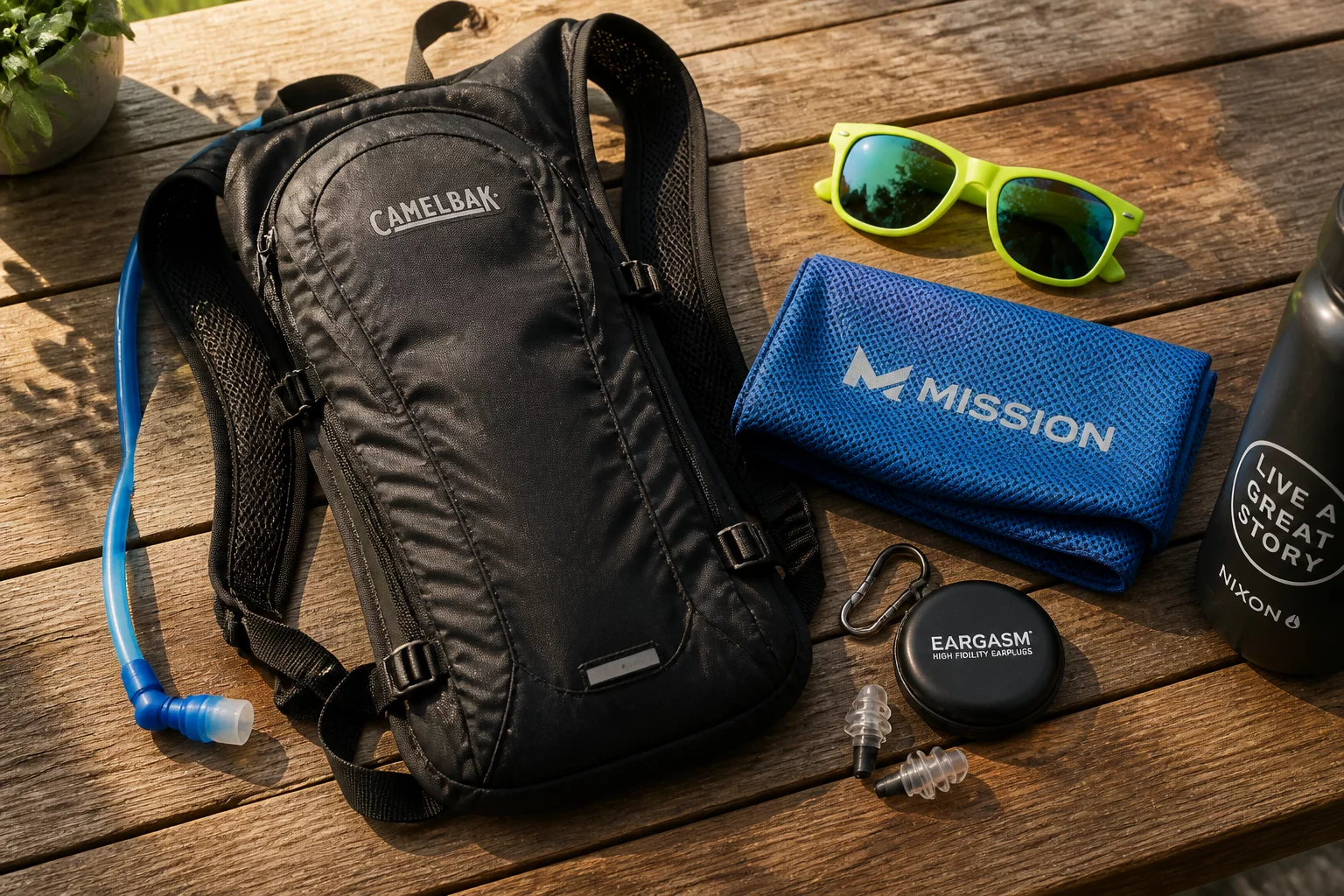
Selecting the right tip size ensures an airtight acoustic seal without causing pressure build-up. Wash the silicone flanges with warm water after every weekend, store them in an aluminum carrying canister on your keychain, and make hearing protection an automatic part of your festival routine.
Community Insights
No comments yet. Be the first to share your experience!